4-1.2.3.1. Organic extraction and enzymatic digestion for the removal of contaminants
It involves the addition of a mixture of phenol and chloroform (1:1) to the cell lysate for protein separation. The proteins aggregate as a white mass in between the aqueous phase containing DNA and RNA, and the organic layer. Treatment of lysate with pronase or protease, in addition to phenol/chloroform, ensures complete removal of proteins from the extract. The RNA can be effectively removed by using Ribonuclease, an enzyme which rapidly degrades RNA into its ribonucleotide subunits. Repeated phenol extraction is not desirable, as it damages the DNA.
4-1.2.3.2. Using ion-exchange chromatography
This involves the separation of ions and polar molecules (proteins, small nucleotides and amino acids) based on their charge. DNA carrying negative charge binds to the cationic resin or matrix which can be eluted from the column by salt gradient. Gradual increase in salt concentration detaches molecules from the resin one after another.
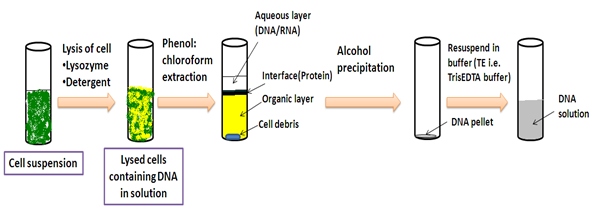
Figure 4-1.2: Preparation of genomic DNA