Light quality is a major consideration for indoor growing of the plants.
- Fluorescent cool white lamps are high in the blue range and are used for starting seeds germination.
- For flowering plants that need more red light, broad spectrum fluorescent bulbs are used.
- Incandescent lights are high in red and red-orange, but generally it produces too much heat for use in supplementing plant growth. Figure 1 shows the graph of relative efficiency of various colors of light in photosynthesis.
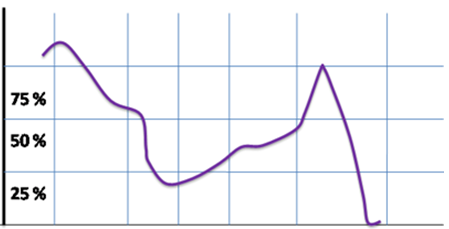
Figure 1. Relative efficiency of various colours of light in photosynthesis.
(X axis: Various colours of light; Y axis: Relative efficiency of flowering plant)
Photoperiod: The flowering response of many plants is controlled by the photoperiod which is the length of uninterrupted darkness. The plant's reproductive cycle is timed to the amount of light available. Photoperiod response can be divided into three types.
(a) Short day plants (SDP): SDPs flower in response to long periods of night darkness as shown in Figure 2. Short-day plants flower when day lengths are less than the critical photoperiod. Some short-day obligate plants are: Chrysanthemum, Poinsettia, Strawberry, Coffee, Tobacco, Common duckweed (Lemna minor), Cocklebur (Xanthium), Maize (tropical cultivars only). Some examples of short-day facultative plants are: Sugar cane, Rice, Cotton (Gossypium), Hemp (Cannabis ).
(b) Long day plants (LDP): LDPs flower in response to short periods of night darkness as shown in Figure 2. Long-day plants flower when day lengths exceed the critical photoperiod. Examples include onions and spinach. Some examples of long-day obligate plants are: Carnation (Dianthus), Oat (Avena), Clover (Trifolium), Henbane (Hyoscyamus), Ryegrass (Lolium), Bellflower (Campanula carpatica). Some long-day facultative plants are: Pea (Pisum sativum), Lettuce (Lactuca sativa), Wheat (Triticum aestivum , spring wheat cultivars), Barley (Hordeum vulgare), Turnip (Brassica rapa), Arabidopsis thaliana .