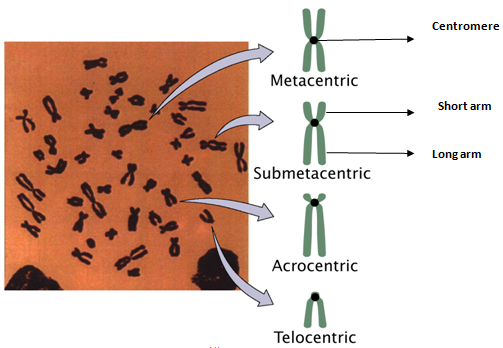
Figure 2: Types of human chromosomes. This figure has been adapted from the “Genetics” by Freeman and company. 2nd Ed, 2005.
Human Chromosome Karyotype
Eukaryotic species have several chromosomes and are detected only during mitosis or meiosis. They are best observed during the metaphase stage of cell division as they are found in the most condensed state. Thus each eukaryotic species is characterized by a karyotype which is the numerical description (number and size) of chromosomes in the normal diploid cell. For example, the Homo sapiens possess 46 chromosome i,e., 23 pairs (Figure 3). The karyotype is important because genetic research can correlate changes in the karyotype with changes in the phenotype of the individual. For example, Down's syndrome is caused by duplication of the human chromosome number 21. Insertions, deletions and changes in chromosome number can be detected by the skilled cytogeneticist, but correlating these with specific phenotypes is difficult.
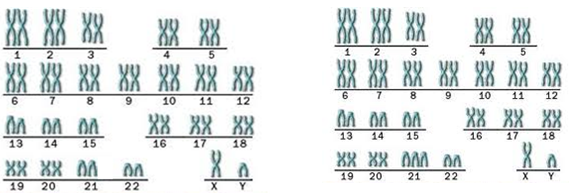
Figure 3: The normal human karyotype (left) and human karyotype in Down’s syndrome (Right).