General mechanism
In response to signals action potential generated from the brain reach to the muscle cells through the neurons. At the end of the axon terminal, it secretes a small amount of neurotransmitter, acetylcholine. Acetylcholine diffuses from the membrane receptors which present on the muscle membrane to transmit the signal. Acetylcholine binding leads to the opening of sodium channels results influx of sodium inside the cell.
Sodium influx generate an action potential in the muscle fibre and it travels along the muscle cell membrane. This action potential depolarizes the muscle membrane which results the release of calcium ions from sarcoplasmic reticulum to the sarcoplasma. Calcium mediated attraction in between the actin and myosin lead to the sliding alongside each other. This sliding movement results the muscle contraction. After a fraction of second, calcium pump actively transfer the calcium from sarcoplasm to sarcoplasmic reticulum. This removal of calcium from the sarcoplasm results the muscle relaxation.
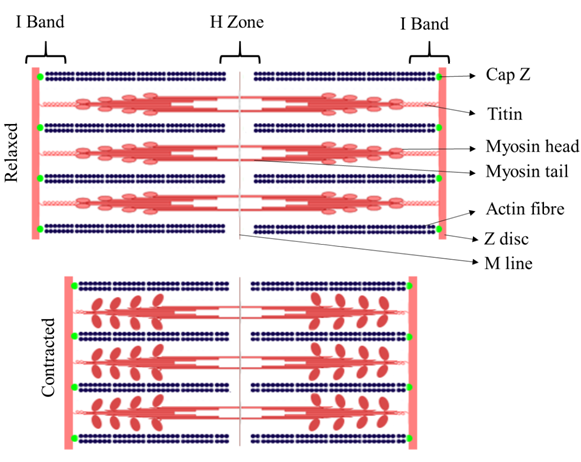
Figure 17.1 : Skeletal muscle contraction