State and perfect order
State is expected to create a perfect order as per the wishes 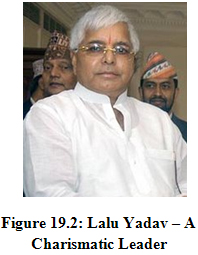 of the people. Here again the issue is: what is perfect order? In a society divided along ethnic, regional, economic and ideological lines there is bound to be a difference in values of perfection. Which issue should be given more importance? What will be the effect of priority action on other domains of significance? For example, what is more important today: peace and harmony or economic development? Remember that rapid economic development may aggravate inequalities, marginalize certain sections of society and create distrust and law and order problems. Too much importance on peace and harmony may reduce attention of the state from economic development. of the people. Here again the issue is: what is perfect order? In a society divided along ethnic, regional, economic and ideological lines there is bound to be a difference in values of perfection. Which issue should be given more importance? What will be the effect of priority action on other domains of significance? For example, what is more important today: peace and harmony or economic development? Remember that rapid economic development may aggravate inequalities, marginalize certain sections of society and create distrust and law and order problems. Too much importance on peace and harmony may reduce attention of the state from economic development.
This is a well known fact that during 36 years of long rule in West Bengal, the left government succeeded in land distribution and empowering the disadvantaged groups of rural poor. However, too much of attention on class struggle and state control led to neglect of overall development of the people and the state missed its share of industrialization and growth. The result is that the very same people, who voted the left parties to power, continuously for 36 years, defeated them badly in 2011 elections of the state assembly.
Likewise, during his long rule in Bihar Lalu Yadav proved to be a very influential leader of masses but that did not make the people happy as his social engineering agenda neglected infrastructure, development and governance. At present he and his party, Rashtriya Janata Dal, are outside the power. In future, things may change again.
As a matter of fact the fight between political parties is the result of conflict between competing perspectives on culture and development. Some competing versions of desired state of society in India get articulated in Congress’s slogan of development and modernization, BJP’s cultural nationalism, left’s socialistic agenda, and myriad forms of nativist programs of regional parties.
|