Sewage treatment: chemical and biological process
- Sewage treatment is the process of removing contaminants from wastewater and household sewage, both runoff (effluents), domestic, commercial and institutional
- The objective of sewage treatment is to produce a disposable effluent without causing harm to the surrounding environment and prevent pollution
Origins of sewage
- Sewage is generated by residential, institutional, commercial and industrial establishments
- It includes household waste liquid from toilets, baths, showers, kitchens, sinks and so forth that is disposed of via sewers
- In many areas, sewage also includes liquid waste from industry and commerce
- The separation and draining of household waste into grey water and black water is becoming more common in the developed world, with grey water being permitted to be used for watering plants or recycled for flushing toilets
Sewage may include storm water runoff
Grey water & Black water
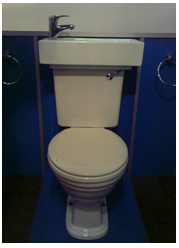
- Grey water is wastewater generate from domestic activities such as laundry, dishwashing, and bathing, which can be recycled on-site for uses such as landscape irrigation and constructed wetlands
whereas
- Black water is wastewater containing fecal matter and urine