What is indoor air pollution?
Indoor Air Pollution is the term used to describe the amount of contaminants in the air inside a building from sources such as cigarette smoking, fuel combustion for heating or cooking, certain wallboards, carpets, or insulation as well as the geology of the area (radon in soil or rocks beneath the structure).
Indoor air pollution
- Indoor air contains higher concentrations of pollutants than outdoor air (up to 70x)
- Synthetic materials are not comprehensively tested
- To reduce heat loss & improve energy efficiency:
- ventilation systems are sealed off & air is recirculated.
- windows are not opened leading to trapping of pollutants inside.
- Indoor air pollution usually is a greater threat to human health than outdoor air pollution.
- Avg. citizen spends 90% of time indoors.
- 6,000 people die per year from indoor air pollution
- Pollution levels inside cars in traffic clogged urban areas can be up to 18 times higher.
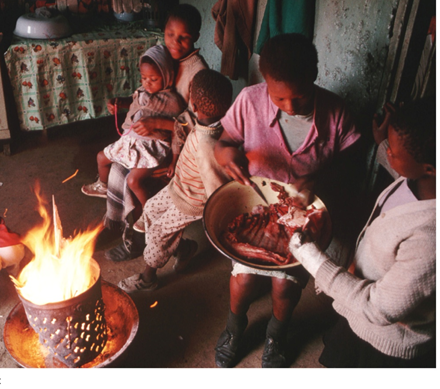
Indoor Air Pollution-Developing World
- From burning wood, charcoal, dung, crop waste
- With little to no ventilation
- Soot and carbon monoxide are generated extensively.
- Causes pneumonia, bronchitis, allergies, cataracts, asthma, heart disease, cancer & death
- ~1.6 million deaths/year