DDT – A Short History
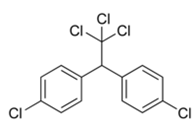
1874 – First synthesised by Othmar Zeidler - dichlorodiphenyltrichloroethane (DDT)
1939 – Paul Hermann Müller discovered insecticidal properties of DDT
1940s – Rapid development in WW2 to combat malaria, typhus, and other mosquito-borne diseases in military & civilian populations
- Following WW2, extensive use of DDT contributed to eradication of malaria in America & Europe
1948 – Müller awarded Nobel Prize
1950s – A WHO campaign to eradicate malaria was based on extensive spraying with DDT – a marked reduction in malaria mortality rate was found
→ mortality rate dropped from 192 to 7 per 100,000
- increasing resistance to DDT was found in pests
DDT – A Short History
1950s – Marked decline of bird populations, especially raptors like the peregrine falcon, osprey, and eagles, were observed
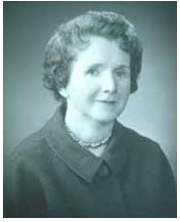
1962 – Rachel Carson publishes Silent Spring, raising American awareness of the ecological effects & health risks of DDT and start of modern environmental movement.
1970s-80s – ban on DDT use in Western countries; recovery of affected bird populations
– DDT use continued in developing countries, but widespread spraying discontinued. Insecticide impregnated bednets and indoor spraying favoured.
2001 – Stockholm convention, restricting DDT use to health crises