33.1 Immune surveillance
The concept of immune surveillance was given by Macfarlane Burnet in 1950's. According to his definition of Immune surveillance physiologic function of the immune system is to identify cancerous or precancerous cells and remove them from the body before they cause any harm.
General features of tumor immunity
• One of the most important features is that tumors elicit specific adaptive immune responses. This can be proved due to the presence of T lymphocytes, natural killer cells and macrophages in the surroundings of the tumor cells.
• Tumor immunity is not sufficient to stop the growth of tumors. This study pattern undoubtedly raises questions about the concept of Immune surveillance.
• Outside source can be used to stimulate immune system to prevent and destroy the tumor cells.
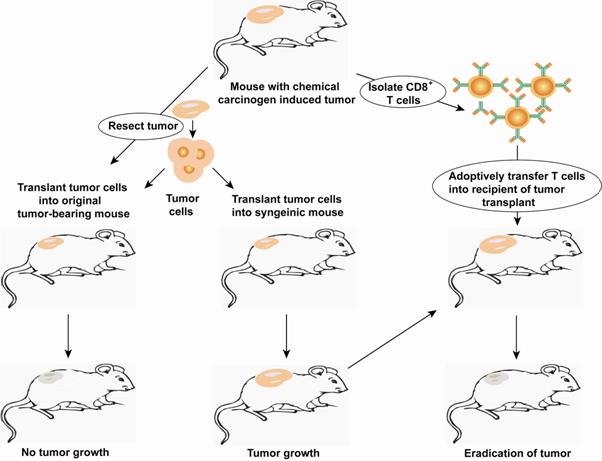
Figure 33.1 Schematic representation of tumor immunity:
Mice treated surgically for chemical induced carcinogen gets immune to tumor growth following the injection of same tumor cells. Similarly, transfer of CD8+ cells to a recipient mice having tumor transplant rejects the tumor growth. However transplantation of same into a syngeneic mouse turned into a tumor mass.