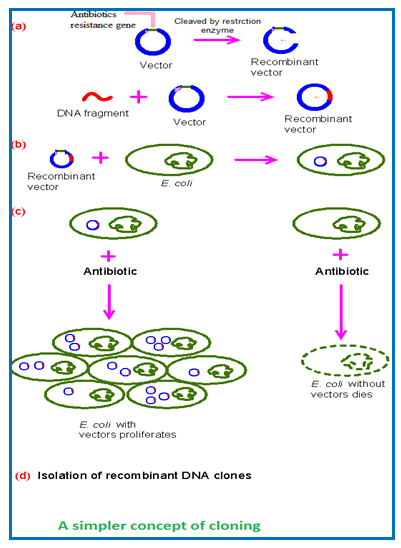
Figure 1: A simplified concept of cloning
Cloning is a natural process in biology where genetically identical individuals are produced by asexually reproducing organisms such as bacteria, insects or plants. In biotechnology, the process of producing multiple identical copies of DNA fragments (molecular cloning), cells (cell cloning), or organisms is referred to as cloning. A clone has an exact genetic imprint as that of the original cell, tissue or organism. There are different types of cloning technologies used for various purposes besides producing the genetic copy of an organism. Basically the cloning technology can be divided into three types as reproductive cloning, therapeutic cloning and recombinant DNA technology or DNA cloning. Reproductive cloning is a technology used to generate a twin of an animal that is genetically same as another currently or previously existing animal. The best example for reproductive cloning is Dolly, the first cloned sheep. Therapeutic cloning which is also known as "embryo cloning," is production of human embryos for use in research and treatment of diseases. The aim of this technique is not human cloning, but rather to harvest stem cells that are used for research studies and to treat diseases. The last and most widely used cloning technique in biotechnology is recombinant DNA technology.
|

