2.2. Binary vector
A binary vector consists of a pair of plasmids of which one contain vir region and other contains disarmed T-DNA sequence with right and left border sequences. The plasmid contain disarmed T-DNA are called micro-Ti or mini-Ti for e.g. Bin 19 (Figure 23.2).
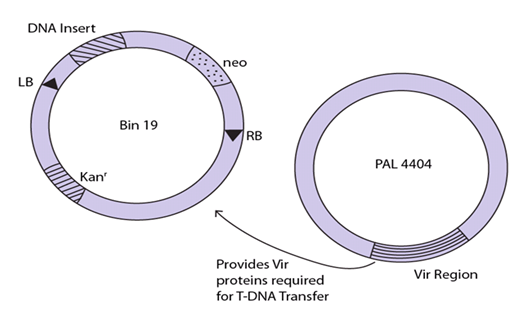
Figure 23.2: Binary vectors Bin19 and PAL 4404 of pTi
2.3. Plant virus vector
• Viruses have following features as a vector
• Infect cells of adult plant (dicotyledonous and monocotyledonous both)
• They produce large number of copies per cell which facilitate gene amplification and produce large quantities of recombinant protein.
• Some are systemic that they can spread throughout the plant.
Mostly plant viruses have RNA genome; two such viruses have great potential for vectors are brome mosaic virus (BMV) and tobacco mosaic virus (TMV). But maximum processes have been made with two DNA genome containing viruses as a vector, viz ., Caulimoviruses and Gemini viruses.
2.3.1. Cauliflower mosaic virus (CaMV)
The Cauliflower Mosaic Virus (CaMV) is a double-stranded DNA virus which infects a wide range of crucifers, especially Brassicas, such as cabbage, cauliflower, oilseed rape or mustard. In order to get itself and its DNA replicated (multiplied) within a plant cell, the virus must trick the plant's own molecular ‘machinery' to do this task. For this purpose the virus has two promoters (35S and 19S) in front of its genes, which the plant cell believes to be its own. Furthermore, these promoters override the plant's own regulatory system, as they are constitutive, i.e. they are constantly switched on and can't be regulated or switched off by the plant. The CaMV 35S well known promoter is being used in almost all GM crops currently grown or tested, especially GM maize. It is the promoter of selection for plant genetic engineering, as it is a strong and constitutive promoter. Failure to distinguish or to ignore its capacity to be universally active in almost any organism is irresponsible and careless and shows a serious lack of scientific rigor and commitment to safety.