7. Mitochondrial DNA
Mitochondrial DNA (mtDNA) is DNA that is present in Mitochondria. Mitochondrion is the part of organic cells that produce most of the cellular energy by converting organic materials mode into Adenosine Tri-phosphate (ATP) mode via the process of oxidative phosphorylation. The details of mitochondrial functions are elaborated in Figure 21.8. Typically nuclear DNA determines the function of a cell; however mitochondria have their own DNA and are assumed to have evolved separately (Endosymbiotic theory). Mitochondria have their own genome, usually multiple copies in one mitochondrion, in circular form, located in several nucleoid regions, with no histone association (naked). Mitochondrial genome size varies with organism to organism, plants have mitochondrial average 150-200 kb, but human mitochondria genome is only 16 kb. Mitochondrial DNA encodes enzymes required for oxidative phosphorylation and mitochondrial electron transfer. A cell can have different types of mitochondria (heteroplasmy) or same type of mitochondria (homoplasmy). Mitochondrial DNA analysis is helpful in forensic cases in which nuclear DNA is insufficient for short tandem repeat (STR) typing. Shed body, head, and pubic hairs with no cellular material (hair follicle) attached to the root bulb and aged skeletal remains are the samples most commonly analyzed for mtDNA because nuclear DNA is not recoverable from these tissues. Usually a cell has hundreds or thousands of mitochondria which can occupy up to 25% of the cell's cytoplasm, and each mitochondrion contains 1-10 mtDNA molecules. The high copy number of mtDNA molecules found in each cell is one reason why mtDNA is recoverable from hairs and old skeletal remains.
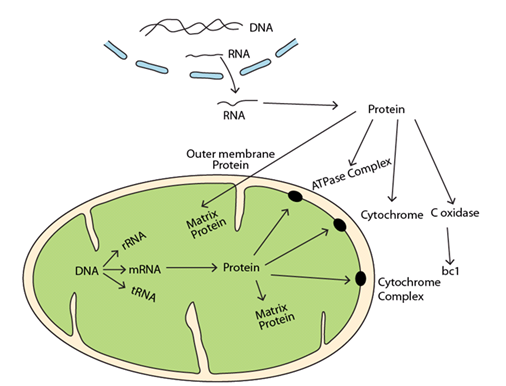
Figure 21.8: Mitochondrial genome functions