1. Characteristics of Eukaryotic Viruses
- • Obligate intracellular parasites
• Infect and reproduce only within the living eukaryotic cells
• Viruses contain single or double stranded DNA or RNA as their genomes (Fig. 1)
• ssRNA able to function as mRNA is referred to as positive (+) sense or plus strand RNA and if it is the equivalent to antisense RNA it said to be as minus strand or negative (-) sense RNA
• In certain cases, the genome encodes mRNAs which are of either sense
• Processes that are found both in eukaryotes and their viruses- Glycosylation, RNA processing and protein modification (proteolytic cleavage)
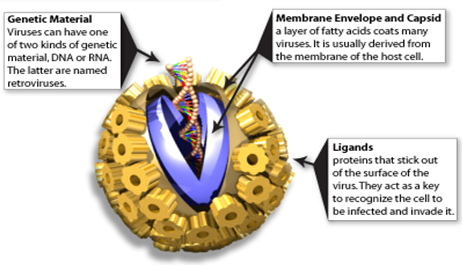
Fig. 11. General structure of enveloped Eukaryotic Virus
2. Structure of Eukaryotic viruses
- • The viral genome is enclosed by a protein coat known as capsid.
• Capsid composed of protein subunits known as capsomeres
• The nucleic acid genome along with the protective protein coat is called the nucleocapsid.
• Nucleocapsid can be of following symmetry:
• Icosahedral,
• Helical or
• Enveloped symmetry
• Majority of viruses have helical or icosahedral symmetry