·
13.1.4 Nuclear receptors
The modulation of transcription is usually done at the level of nuclear membrane. The receptors that use lipids as its ligand either increase or decrease the transcription of genes. Vitamin D receptor and glucocorticoid receptor are the examples of nuclear receptors.
13.1.4 Miscellaneous receptors
Notch receptors are involved in the embryonic development and tissue maturation. The binding of the specific ligand with notch receptor leads to the proteolytic cleavage of the cytoplasmic tail of the receptor that can act as a transcription factor for different developmental pathways. A group of ligand called “ Wnt” can modulate the level of β-catenin which contributes to B and T cell development.
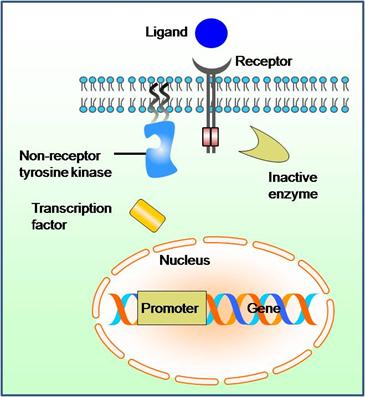
Figure 13.1 Signaling pathways for cytosolic and nuclear activation: