Human Genome Project
Downlad this Lecture as pdf
The idea of the Human Genome Project first began in the 1970s when biologists started scrutinizing human gene at the molecular level. In 1980s several countries started to map parts of the human genome. In 1989, the Human Genome Organization (HUGO) was founded by eminent scientists of the field for promoting international collaboration for Human Genome Project related research. Systematic and collaborative research on Human Genome Project was started in 1990 with an aim to complete human genome sequence in 15 years. More than 2,000 scientists from over 20 institutes in six countries collaborated for this research. Finally, the first human genome draft was published in 2001 in Nature and Science, top ranked scientific journals.
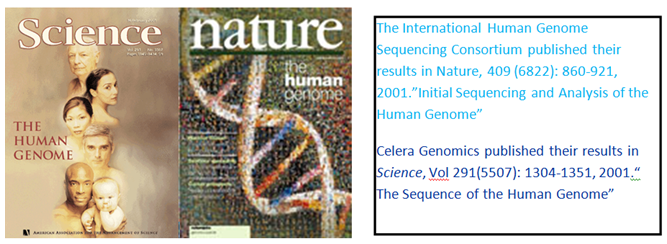
In February 2001, the publicly funded Human Genome Project Organization and the private company Celera jointly declared that they had mapped the lion's share of the human genome. These maps show that there are only about 30,000 genes − much fewer than the 100,000 expected. In April 2003, the 50th anniversary of the publication of the structure of DNA, the completed map, was announced. The final sequence covers 99 per cent of the gene-containing regions of the genome. Human genome was completed by 2003. Nature published a special issue on Human Genome Project in 2006. The human genome data open major new opportunities for research in medical biotechnology. All articles of this special issue are highly recommended for further reading.
(http://www.nature.com/nature/supplements/collections/humangenome/commentaries/).
|
