Methods of Preparing Genomic DNA
Download this lecture
Why DNA as genetic material:
DNA is deoxyribonucleic acid made of two anti-parallel chains of four different nucleotides (A, T, G, C) connected to each other by phosphodiester bonds. Nature selected the DNA as genetic material (except retro viruses), due to its high structural stability over RNA and proteins. It carries all the genetic information in form of genes which get transcribed into RNA and then translated in the form of functional units that is protein.
Methods of DNA isolation:
There are several techniques for isolation of genomic DNA, based on the type of sample, from which DNA has to be isolated, required DNA quality and quantity, molecular weight of DNA and its downstream applications. All the procedures involves some common steps like, disruption of sample, lysis of cells, removal of proteins and other contaminants and lastly recovery of DNA. The disruption of samples and lysis of cells can be achieved by different methods depending on starting materials. The most common method for cell disruption and lysis are lysozyme treatment or treatment with detergent, which leads to rupturing of cell wall and release of cell components. In order to prevent the DNA from degradation the lysis method should be very gentle and if mechanical disruption is needed, it should be mild to prevent the DNA from fragmentation. There should be any chelating agent to chelate the Mg++ ions required for DNase action to prevent the enzymatic degradation of DNA. The RNA can be removed by RNase treatment and proteins can be generally removed by protenase K treatment fallowed by extraction by salts, organic solvents, or interaction of DNA with solid matrix (anion exchange or silica based technology). The DNA can be recovered by either ethanol precipitation or precipitation with isopropanol (Fig. 1_.
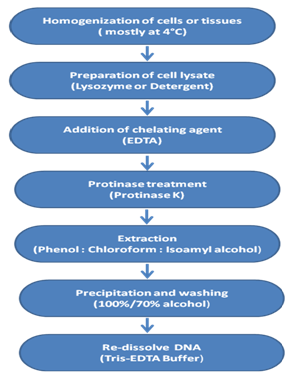
Figure 1: Different steps of genomic DNA prepration.
|
